October 28, 2026
Demand Real Climate Solutions to Save Ocean Wildlife
America's oceans are warming, and marine animals are paying the price. From declining crab populations to struggling salmon and dying shellfish, climate change is making our oceans increasingly hostile to the wildlife that depends on them.
A new New York Times report reveals how dramatically marine ecosystems are changing. Seafood prices are soaring, but the real crisis is what's happening beneath the waves.
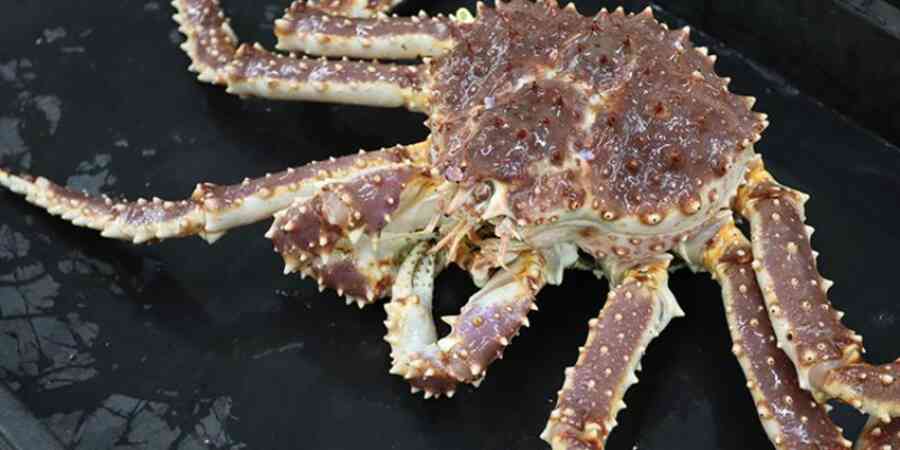
In Alaska's Bristol Bay, warming waters contributed to a devastating decline in red king crabs. In Washington, warmer waters have contributed to Dungeness crab die-offs, while harmful algal blooms disrupt coastal ecosystems. Alaska's Copper River king salmon have been declining for nearly two decades, partly because of heat-related stress.
Rising ocean temperatures, acidification, pollution, and habitat destruction are placing enormous pressure on marine wildlife already threatened by overfishing.
Atlantic cod offer a warning. Once abundant, some populations were severely depleted by industrial overfishing. Despite years of restrictions, recovery has proven difficult, and warming waters are adding new stress.
The consequences extend beyond marine wildlife. Fishing families, local seafood processors, and coastal communities face mounting economic uncertainty as warming waters disrupt livelihoods. Smaller businesses and working families often have fewer resources than large corporations to weather repeated losses. Protecting ocean ecosystems also means protecting the communities whose futures are tied to their health.
Meanwhile, Congress is considering a sweeping Senate permitting bill that could accelerate fossil fuel development while weakening environmental safeguards, including protections for endangered species. Supporters argue it would also speed clean energy projects, but its actual climate benefits remain in question. Expanding fossil fuel infrastructure is no substitute for reducing the pollution heating our oceans and threatening marine wildlife.
We cannot keep treating declining marine populations as an acceptable cost of business. These are living animals, vital to healthy ocean ecosystems, whose survival deserves protection.
The National Oceanic and Atmospheric Administration's National Marine Fisheries Service (NOAA Fisheries) must strengthen climate-informed conservation measures, protect vulnerable habitats, and prioritize rebuilding depleted populations.
Thank you for all that you do,
Mitch w/ Animal Commons
Source:
Photo: Red king crab on the deck of a research vessel. Credit: NOAA Fisheries / Erin Fedewa